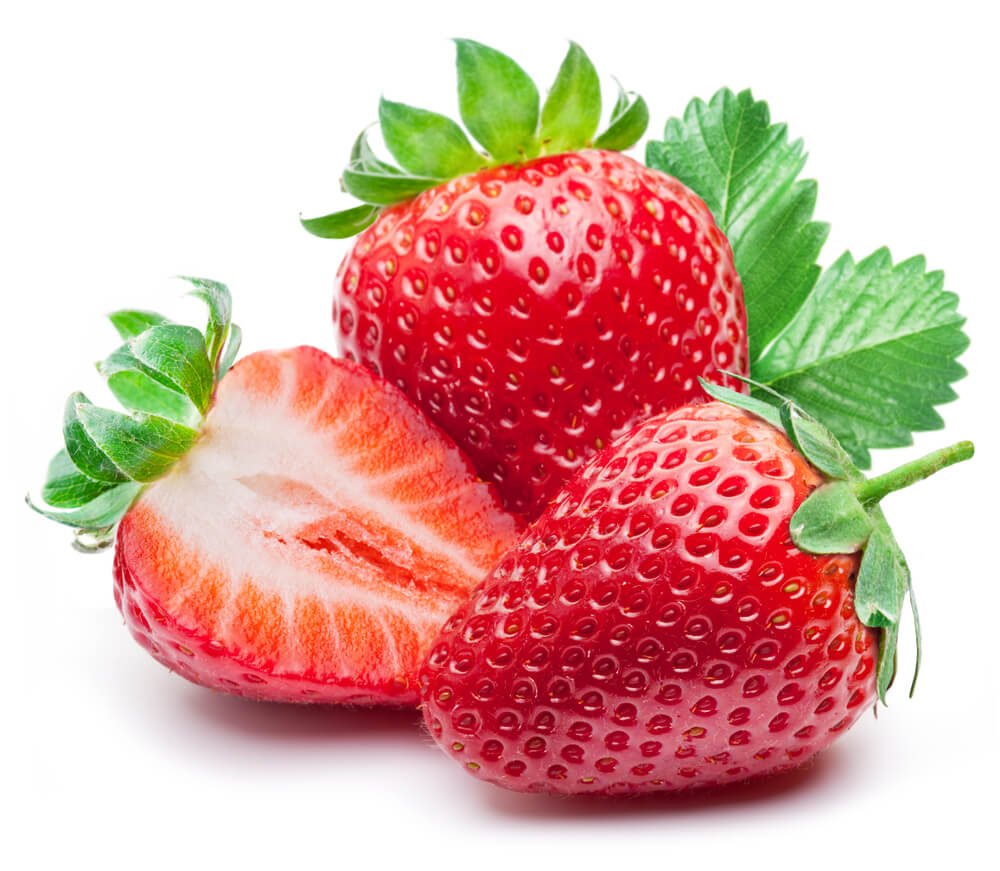
Egyptian Strawberries pieces of jewelry from the Desert!
its Fresh Strawberries planted and packed by our facilities to present the best quality mixed with the perfect taste to ensure the desired arrival quality for our customers…
the common packaging is a carton of 2.50 KG Net which content 10 punnets while each punnet is 250 gm net…
check our best offers for December when you are ready to import…
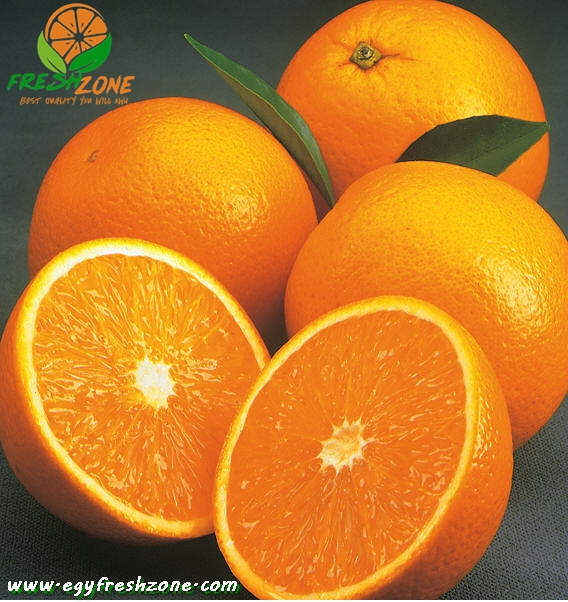
Egypt has become the world’s largest exporter of valencia orange, taking the position away from Spain. Even though 95% of Egypt’s surface is desert, the country has nearly 168,000 hectares of orange trees spread through its arid geography as if they were a mirage; and not only in areas of the Nile delta, since 60% of them are located in reclaimed desert areas.
The orange is the most cultivated citrus in the country, accounting for 80% of the total citrus production, and the Valencia variety is, by far, the most planted variety.
“In recent years, Spanish producers have not shown much interest in the Valencia variety. They have preferred to plant easy-to-peel citrus fruits, while producers in Egypt opted to plant more oranges, mostly of the Valencia variety,” stated Mahmud Shishini, the commercial director of Mafa, one of the most thriving agricultural companies in Egypt.
His company received support from Israeli agricultural experts after the 1979 peace agreement between the two countries and was the company that, three decades ago, introduced the seed of the Valencia orange that the country currently grows.
“It is a type of orange that is distinguished by its good quality and that is much cheaper than other varieties,” says Abdelkader Hasan, owner of a major agricultural export company. A combination of factors explains the success of this type of citrus in what was once barren land. “For starters, it is a seed that everyone knows and knows how to plant. In addition, it is a simple and very durable variety. The third factor is that the climate here is ideal. Finally, Spain can have a limited space to grow this fruit, but if we have water we can plant it in hundreds if not thousands of hectares. It is an investment model that is easy to replicate,” says Shishini.
In 2019, the last year for which there are records, Egypt shipped around 1.8 million tons of oranges abroad, slightly more than Spain, according to data from the International Trade Center, a joint agency of the World Trade Organization and United Nations. Both, however, are a long way from the third-largest producer, South Africa.
The main markets for Egyptian oranges are Russia, Saudi Arabia, China, the Netherlands – considered the door to Europe – and the United Arab Emirates. In the last year, however, the Arab country has achieved new markets for its oranges, which have reached destinations as diverse as Brazil, New Zealand, or Japan.
Brazil opened its market to citrus fruits from Egypt as a result of a Mercosur-Egypt free trade agreement, which includes Brazil, Argentina, Uruguay, and Paraguay. According to estimates by the Brazilian Arab Chamber of Commerce, the Egyptian orange could lead the Brazilian market within two years.
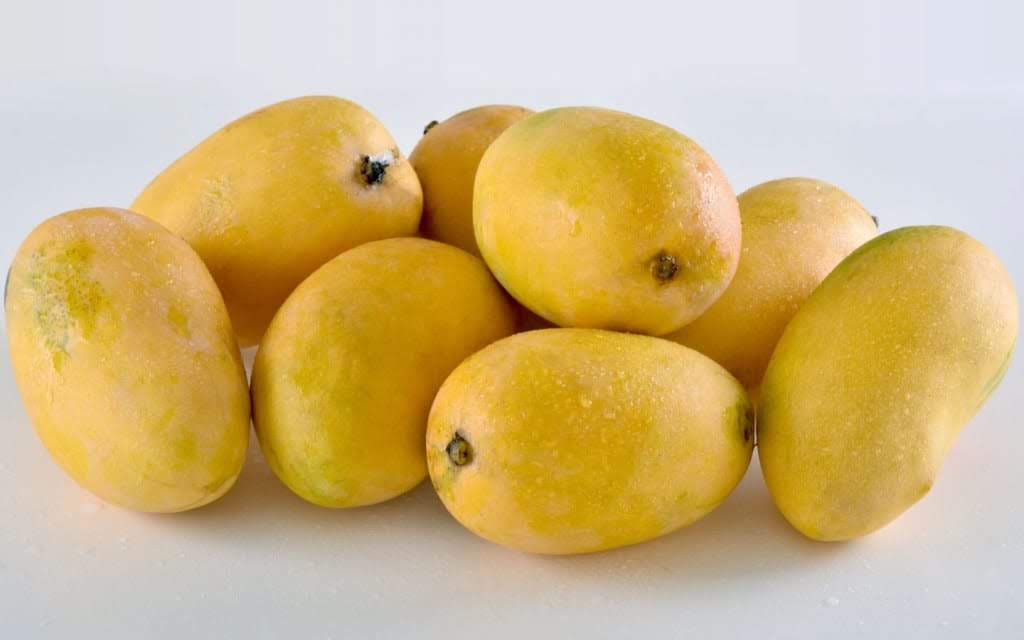
In the first week of July, the Egyptian press reported on the low mango yields this year, based on reports from growers in Ismailia, home to about one-third of Egyptian mangoes crops.
Heat and black mould have been causing problems for Egyptian mangoes
Mangoes see a high demand domestically. According to Kamal Fathi, agriculture officials in Ismailia did not deny that there had been problems with the mango harvest this year, confirming complaints by farmers about the “black mold” that has infected some mango groves and reduced yields, director of agriculture in Ismailia.
Fathi added that another reason for the lower yield of the mango crop this year was climate change, as the heatwave that slammed the east of the country in March had stressed the trees, increased evaporation from the soil, and dried out the roots. The fruit had fallen from the trees prematurely and quickly spoiled because it was unripe, he said.
“This year, we are planting 300,000 fedans of mangoes and some one million farmers and workers are servicing the groves all year round, whether for export or distribution on the domestic market,” Mahmoud Atta, director of the Central Department of Horticulture at the Ministry of Agriculture in Cairo told english.ahram.org.
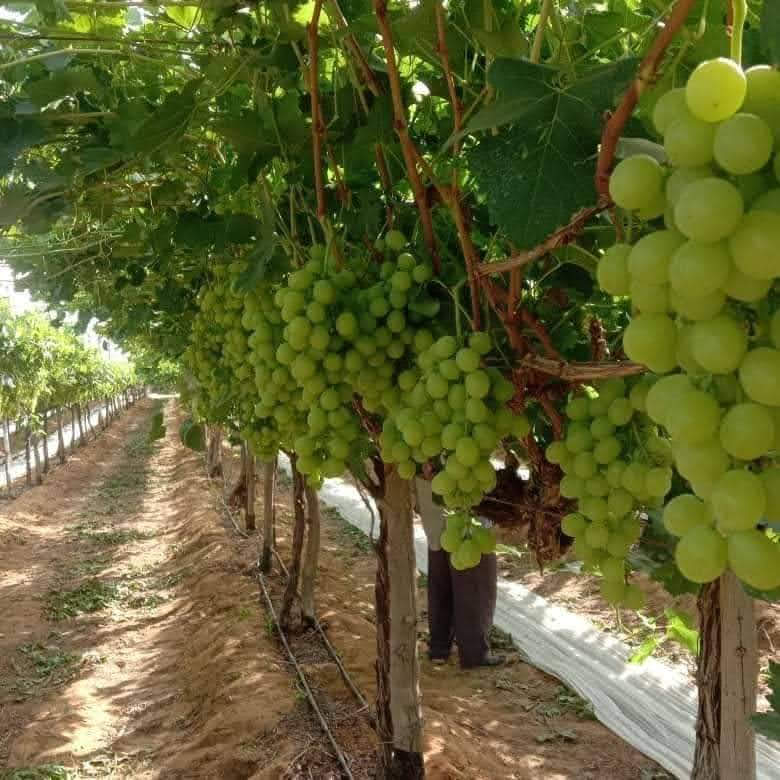
The Egyptian grapes season started a little earlier than expected, around May. The early arrival was caused mostly by hot weather, as Egypt has dealt with 45 degrees Celsius temperatures.
There will be higher production for the grapes in Egypt this season, combined with solid demand at the moment. The red grape varieties, such as Red Varieties Flame, Red Globe, and Crimson, are gaining ground as these grapes contain high levels of Brix. The Arabian countries prefer grapes with high Brix levels, whilst European countries prefer lower levels.
For More than 3 seasons , Royal Land Brand considered one of the top list of best Egyptian Citrus premium in the Chinese markets such as Guangzhou , Shanghai and Hong Kong .